Restoring a Smile with a Custom Dental Bridge
Replacing missing front teeth with a carefully designed anterior fixed bridge.
Before and after
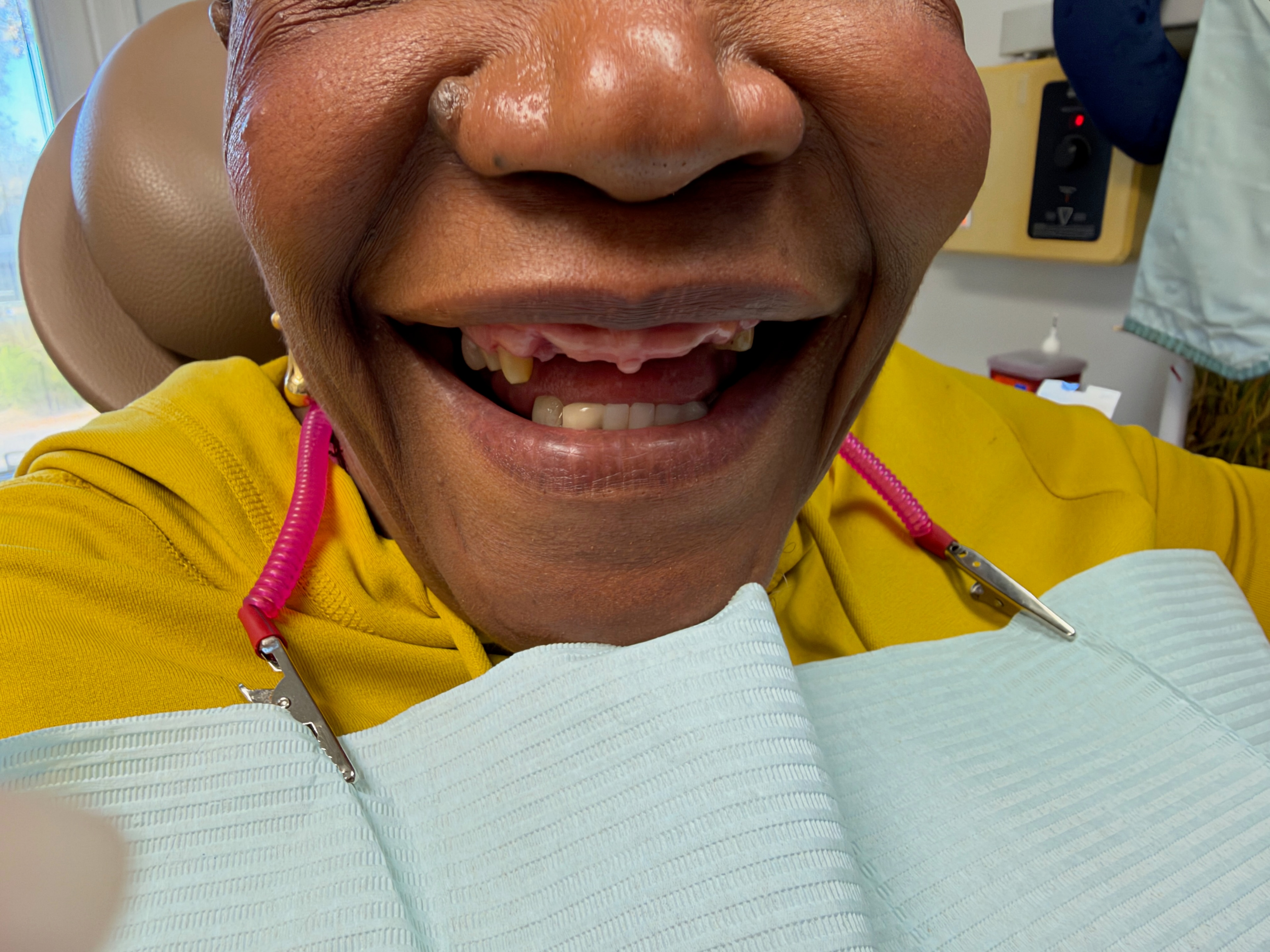
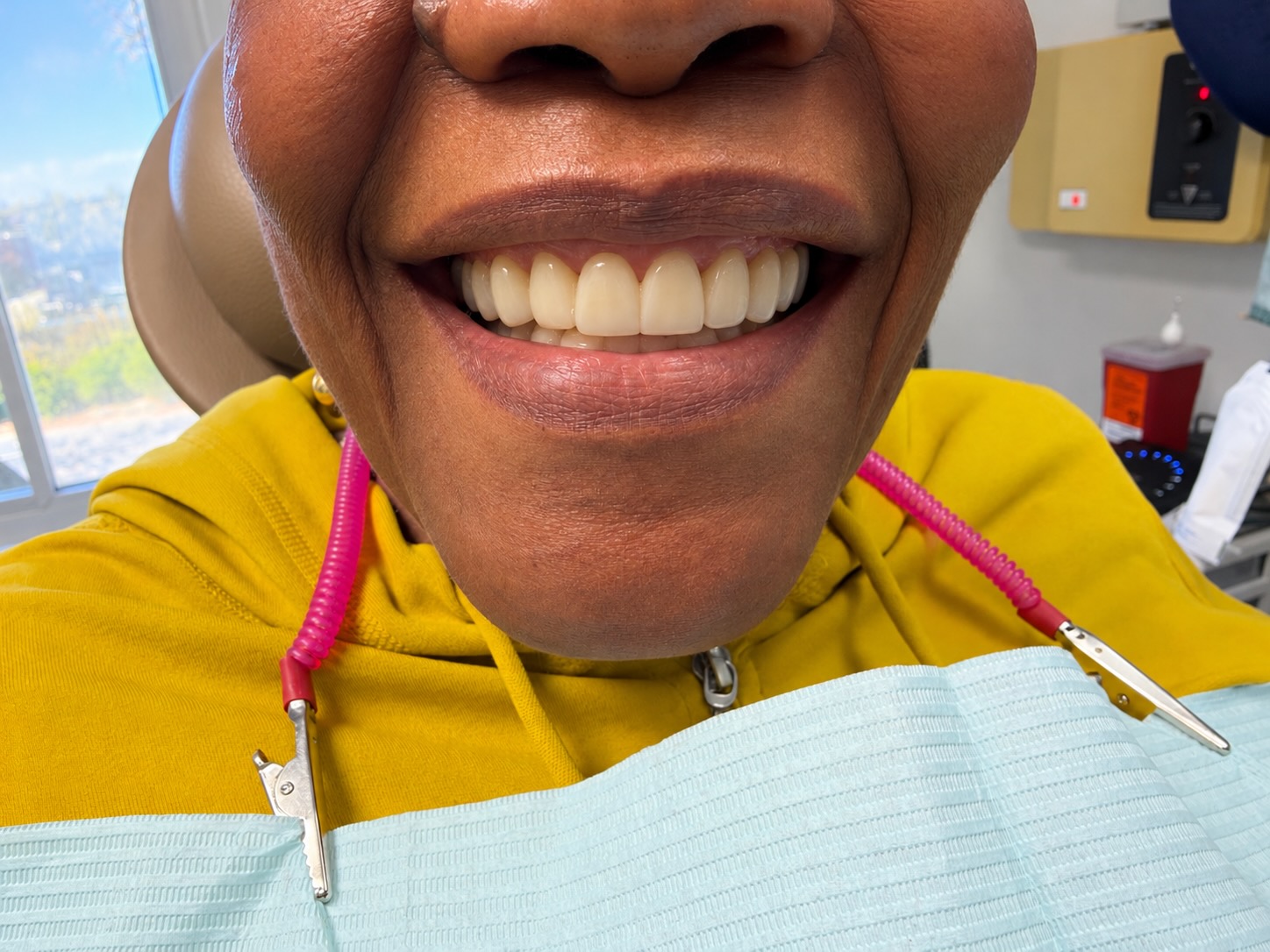
Photos show an individual treatment outcome. Results vary.
Restoring function and appearance
This case involved replacing missing anterior teeth, the teeth at the front of the mouth, with a custom fixed bridge. The restoration was carefully designed to reestablish tooth proportions, symmetry, and a natural-looking smile while restoring function.
The details behind the smile
Shade selection, tooth contours, and the way the teeth meet when biting were important considerations in designing this restoration. The aim was to create a bridge that worked with the patient’s smile and bite.
Every treatment plan is individual. These photographs illustrate this patient’s result and do not guarantee the same outcome for someone else.
What is an anterior fixed bridge?
“Anterior” refers to the front of the mouth. A bridge replaces one or more missing teeth with artificial teeth that span the space. A fixed bridge stays in place during everyday use and is removed by a dentist when necessary. Different bridge designs use natural teeth or implants for support.
The American Dental Association’s guide to bridges explains why the health of the supporting foundation matters. The right design depends on the remaining teeth, the space being restored, and the individual treatment plan.
Why the design details matter
For this restoration, the focus was on bringing function and appearance together. The visible change is the replacement of missing front teeth, but a custom design also requires attention to how the teeth relate to the rest of the smile.
- Proportions: the length and width of the replacement teeth influence the overall balance of the smile.
- Symmetry: the arrangement of the teeth helps create a coordinated appearance across the front of the mouth.
- Shade and contours: color selection and the shape of each tooth contribute to a natural-looking restoration.
- Occlusion: this is the way the upper and lower teeth meet. Appearance and bite need to be considered together.
These were the considerations behind the case shown here. The photos illustrate the appearance of this patient’s completed restoration; ongoing care remains part of maintaining it.
What to discuss before choosing a bridge
Start with what you would like to change. You may be most concerned about a visible gap, chewing comfortably, or how a replacement will fit with your existing teeth. Bringing those priorities to the consultation helps make the discussion more useful.
Ask which options are suitable for your mouth, what would support the proposed bridge, and whether any existing teeth would need preparation. You can also ask about alternatives such as dental implants or a removable replacement. A design that works well for one person may be unsuitable for another.
Before agreeing to treatment, request an explanation of the planned stages, the proposed appearance, the estimate, and what follow-up care will involve. If temporary teeth are part of the plan, ask how they will differ from the final restoration.
Caring for a fixed bridge
A fixed restoration still needs daily care. Brush the surrounding teeth and gumline, and ask your dental team to demonstrate cleaning beneath and around the replacement teeth. A floss threader or another cleaning aid may be recommended for your bridge.
The Canadian Dental Association’s bridge guide also emphasizes regular dental visits and professional cleaning. Ask which home-care tools and recall schedule fit your restoration, and bring questions about cleaning to your follow-up visits.
How does this fit into a smile makeover?
A smile makeover is planned around your individual priorities. For someone with missing front teeth, replacement may be a central part of that conversation. This case offers one example of a restorative approach to improving a smile.
At your visit, explain both the appearance you hope for and any functional concerns. That gives Dr. Ahmed a starting point for discussing a plan with you.
Considering a bridge for missing teeth?
A consultation is the next step in understanding which tooth-replacement options fit your needs. Learn about dental crowns and bridges, or contact our Englewood team to discuss an appointment.