Tooth Extraction in Englewood, NJ
When a tooth cannot be saved, tooth extraction in Englewood, NJ can relieve pain, protect your oral health, and create a clear plan for healing and replacement options.
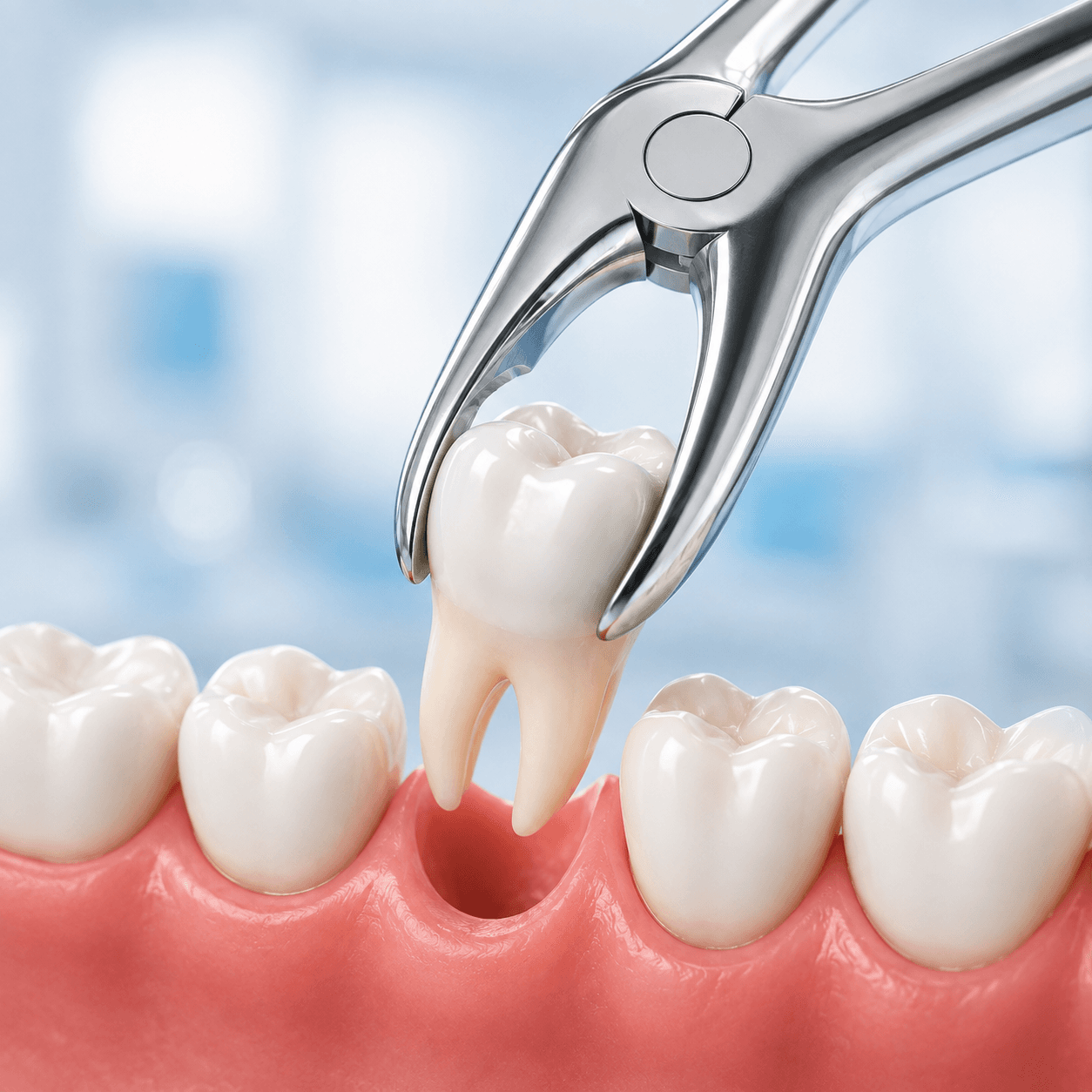
Preserving the ridge with bone grafting
We offer bone grafting at the time of extraction to help preserve the ridge for a future implant or restoration. Your treatment plan depends on the tooth, surrounding bone, and your replacement goals. Dr. Ahmed will explain the recommended approach and healing process before treatment.
When is a tooth extraction needed?
Nobody wants to lose a tooth, and our default is to save it — with a filling, crown, root canal, or gum treatment — whenever that's predictable. Extraction is the right call when it isn't: decay or a fracture that's gone too deep, an infection that treatment can't resolve, a tooth loosened by advanced gum disease, or a wisdom tooth causing trouble.
What's changed since the extractions your parents describe: better anesthetics, gentler instruments, and a technique focused on preserving the bone around the socket — which matters if an implant might go there later. The visit itself is usually shorter and less eventful than the dread beforehand. Patients from Bergenfield and Hackensack are often surprised to be done within the hour.
Common reasons for tooth extraction
- Severe decay that cannot support a restoration
- A cracked or broken tooth below the gumline
- Dental infection when the tooth cannot be saved
- Loose teeth from advanced gum disease
- Problematic or impacted wisdom teeth
- Orthodontic or restorative treatment planning needs
What to expect, step by step
Our goal is to make the extraction visit organized, comfortable, and predictable from diagnosis through healing.
Exam & X-ray
We confirm the tooth condition, root shape, and surrounding bone before planning treatment.
Comfort planning
The area is thoroughly numbed and we review what you should expect during the visit.
Gentle removal
The tooth is removed as carefully as possible while protecting nearby tissues.
Healing & next steps
You leave with clear aftercare instructions and replacement options when needed.
Plan the replacement before the extraction
Here's the part worth thinking about before the tooth comes out: the empty space doesn't stay neutral. Neighboring teeth tilt into it, the opposing tooth drifts down, and the jawbone under the gap starts shrinking within months. That's why we discuss replacement — an implant, a bridge, or a partial denture — before extraction day, not after. If an implant is the plan, we can often preserve the socket during extraction to make placement easier later.
Cost, insurance, and financing
Extraction cost depends on whether it's a simple removal or a surgical one, and insurance usually covers a substantial share of either. You get the number — and the replacement plan's numbers, if one makes sense — before anything happens. Cherry, CareCredit, and Sunbit financing options are subject to approval and terms; see our financial information page.
No dental insurance? We offer an in-house membership plan. Call (201) 541-8111 for details.
Related treatment options
Sudden pain or a broken tooth? Start with emergency dental care — extraction is sometimes, but not always, the answer. Complex and impacted cases fall under oral surgery, and replacement options live on our dental implants and dentures pages.
Why choose us for tooth extraction?
- Save-first diagnosis — extraction only when it's genuinely the best option
- Thorough numbing with a stop-and-re-numb rule if you feel anything
- Aftercare instructions that specifically target dry socket prevention
- Replacement planned before removal, so the site heals toward the goal